
emotions
Care, Lust and the Transformation of Human Connection
Care and lust are powerful parts of human experience. When desire is informed by tenderness, respect and awareness, intimacy can become a deeper expression of connection.
Care and lust are powerful parts of human experience. When desire is informed by tenderness, respect and awareness, intimacy can become a deeper expression of connection.

Seeking draws us into life, while frustration can activate anger and rage. Understanding the needs beneath these emotions can help us act with awareness rather than reaction.
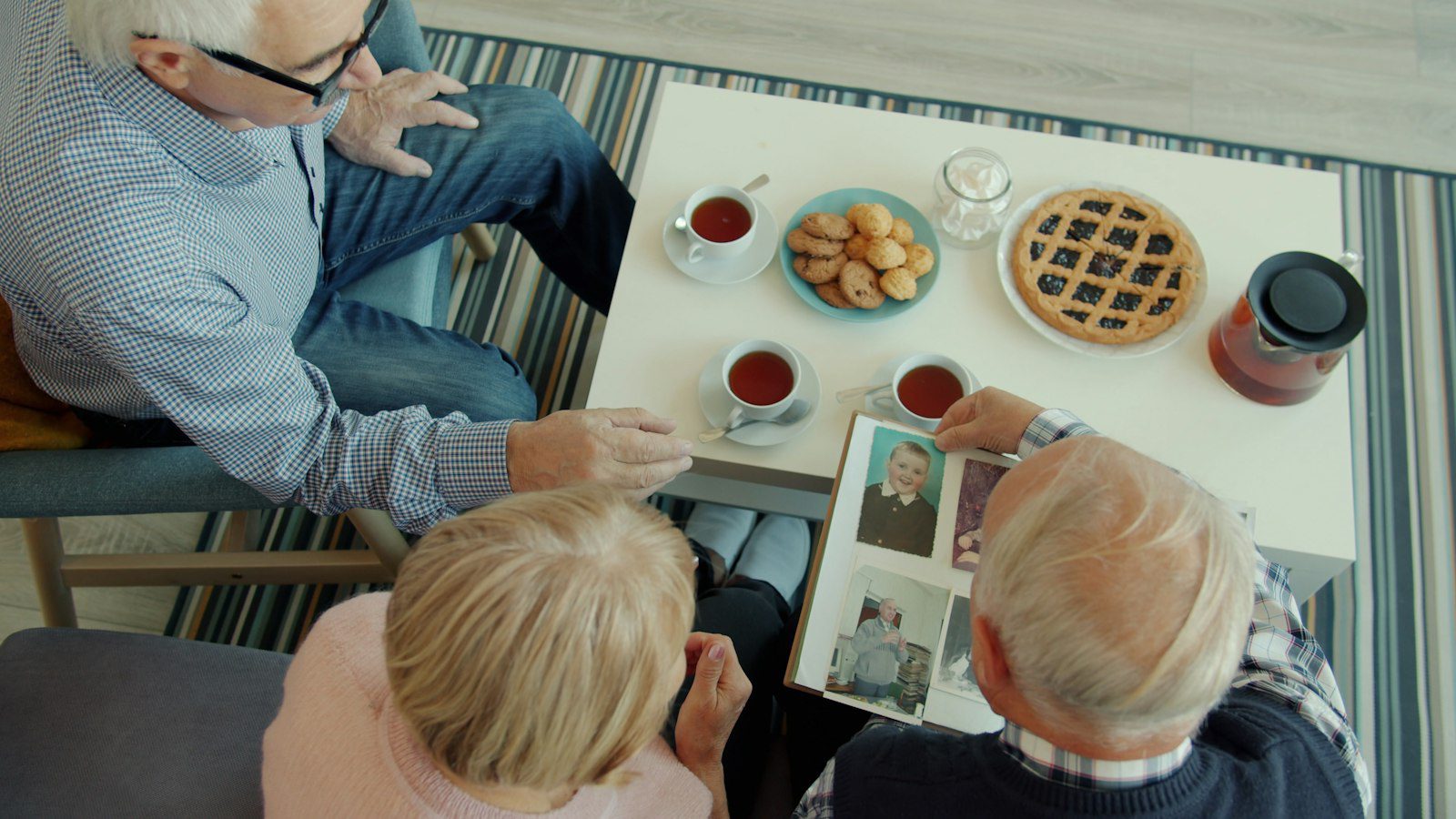
Our emotions are not simply obstacles to overcome. Drawing on Jaak Panksepp and spiritual teachers, we explore how our emotional systems shape relationship and reveal a deeper dimension of ourselves.

Reading time: 4–5 minutes In relationships, we can sometimes find ourselves caught in an exhausting cycle. One person seeks reassurance and closeness, while the other withdraws, becomes distant or needs more space. The more one pursues, the more the other Read more
What happens when a family debates immigration? A reflection on triangulation, family roles, IFS, differentiation and the difference between being right and needing to be right.
In the previous articles in this Family Systems series, we have explored how our families shape our inner world and how the roles we adopt within those systems can become woven into our sense of identity. We may have learned Read more
The roles we learn in our families can become deeply connected with identity. Family Systems, IFS and developmental psychology offer ways of understanding these roles while making space for greater autonomy and a deeper sense of Self.

Family Systems theory helps us understand how relationships, roles and emotional patterns from childhood can become part of our inner world—and how awareness can create greater freedom.
How family relationships, roles and emotional patterns can shape our lives, and how greater awareness can create the possibility of change.

In the previous articles in this series, we have begun to explore the idea that we are not as psychologically unified as we might imagine. Within us there are different parts of ourselves, each with its own history, feelings, beliefs, Read more